
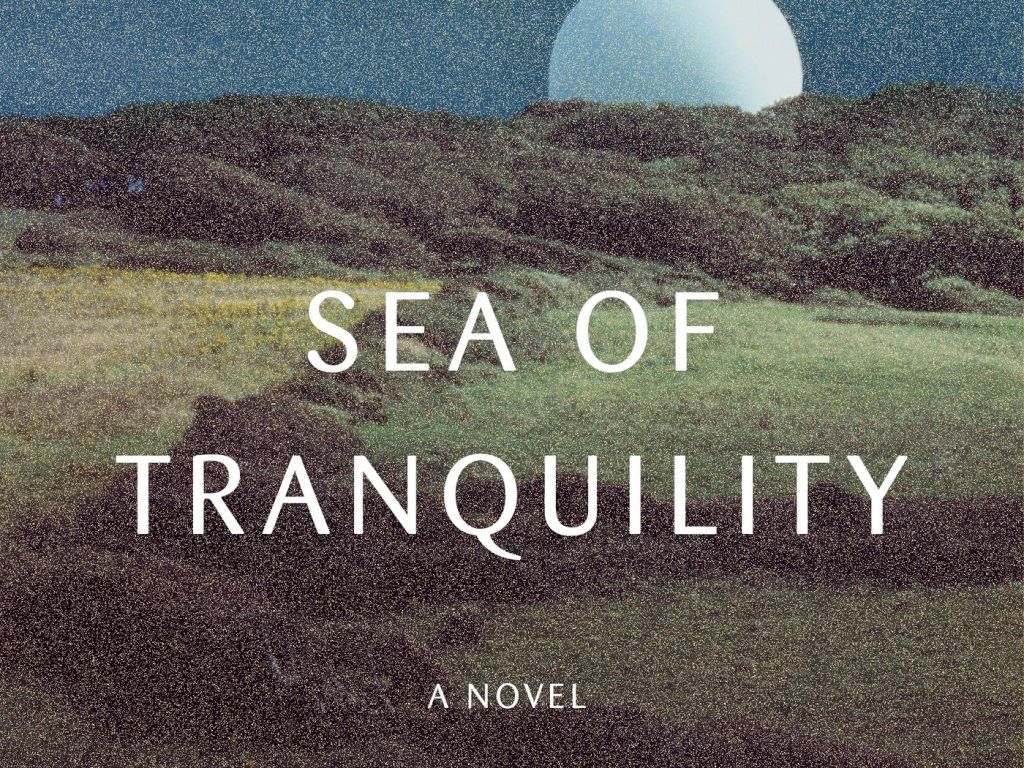
Sea of Tranquility takes place during several very distinct periods of history and stars a variety of seemingly-unrelated characters. What connects all the persons and locales is the anomaly, a strange section of Canadian wilderness…or is it an airship station?
Before I read this book late last year, I felt like I was seeing it everywhere, but I knew little about it. That turned out to be the perfect way to experience this mysterious and moving sci-fi novel, which I think works best if you know as little as possible. As I leaf through the book now, it’s longer than I remember — about 250 pages — probably because I read all of it in one day, feeling a dreamy sense of moving from place to place as the narrative did.
Like any good science fiction novel, there is a twist near the end, although by the time it happens I felt satisfied by the narrative — the twist was just the cherry on top. It was one of those turns in the story that comes as a surprise in the moment, but makes perfect sense when you look back at it: ah, yes, that was true all along.
Sea of Tranquility is certainly a book of feelings over characters, which works well for the story it’s trying to tell. I could tell you about each of the narratives the book floats through, though not the names of the players. Those looking for a character study or for chapters of fleshing out relationships will want to look elsewhere, but for those who want to be moved by the feeling of connection and the most human kind of depersonalization will love this book.
The interweaving plot calls to mind Cloud Atlas by David Mitchell, but the mood of the novel reminded me of some of Haruki Murakami’s more ethereal works. I would definitely recommend Sea of Tranquility to all who enjoy modern soft science fiction, as well as those who haven’t explored the genre yet. And I definitely recommend setting aside a day to experience it.
 Words Per Mile