
July is Disability Pride Month, and if you haven’t heard of it before, don’t worry–I didn’t either, until this year. Somewhat unfortunately true to form, this yearly celebration of disabilities, visible and invisible, often goes overlooked.
2024 Theme: “We Want a Life Like Yours”
“This theme comes from The Arc’s National Council of Self-Advocates. It reflects the disability community’s dreams for life experiences that they are too often denied. All month, we’ll share diverse stories of people with disabilities thriving as students, employees, leaders, engaged members of their communities and families, and more given a chance.”
Disability Pride Month was started in 1990, to mark the passage of the ADA. In our house, we joke that if you want the government to get involved in something quickly, you should invoke the ADA, but really, it’s a great piece of legislation and one that has actual teeth.
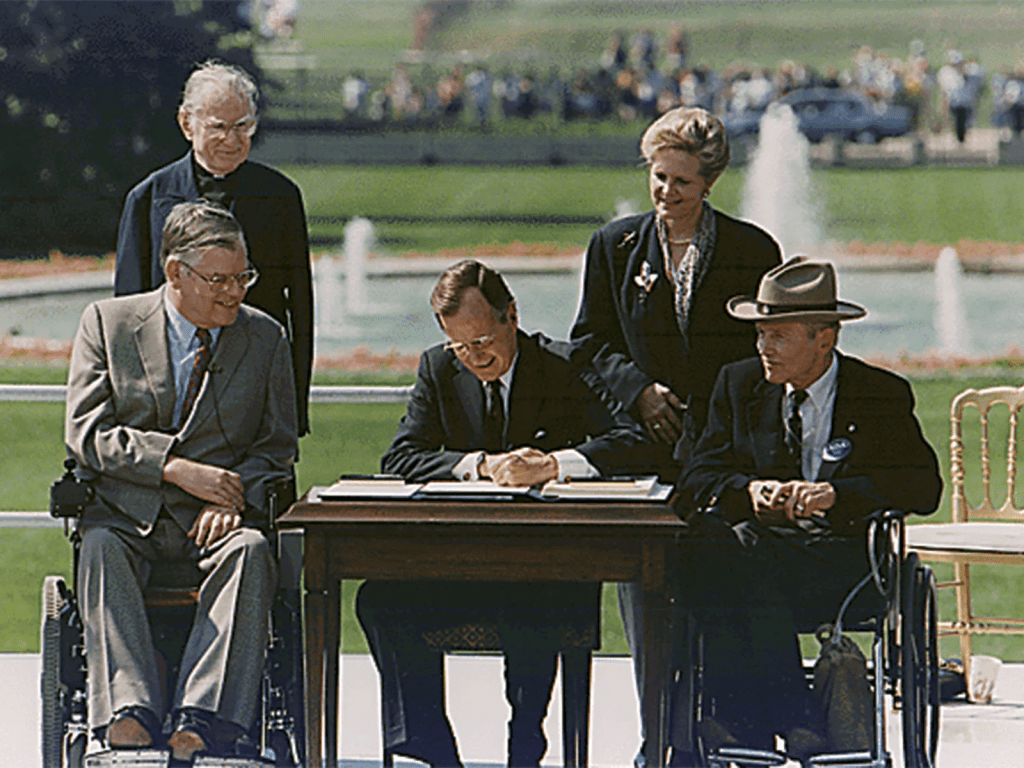
The ADA Plain Language Guide linked below goes into more detail about the areas of life that the legislation is designed to enhance and protect for those with disabilities, such as:
- Employment
- Communication
- Public space accessability
- And more
While the legislation is legally sound, however, it’s not perfect, and many still try to skirt the laws to make lives easier or to save money. You can file a complaint online if an employer, business, or government entity violates the ADA, but and individual might now know about it, or might be wary of drawing negative attention to themselves by filing a report.
There’s also the fact that there’s no such thing as “perfect accommodation.” The use of bright colors, large text, and bright lighting may help someone with a visual impairment, but be overstimulating to someone on the autism spectrum, for example. The banning of an allergen may eliminate certain safe foods for others with allergies or other diet restrictions. While we don’t want to let perfect get in the way of good, planning and implementing accommodations takes a lot of work, and it’s rare to find a solution that removes all barriers for all people.
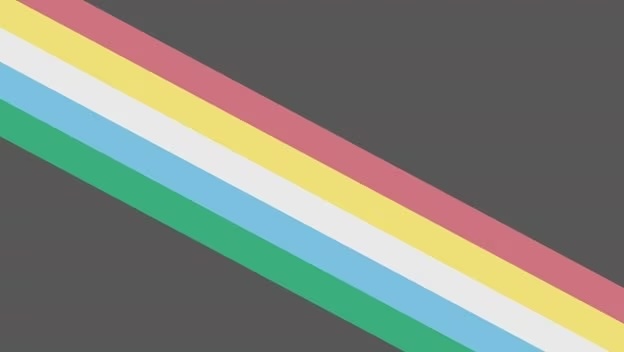
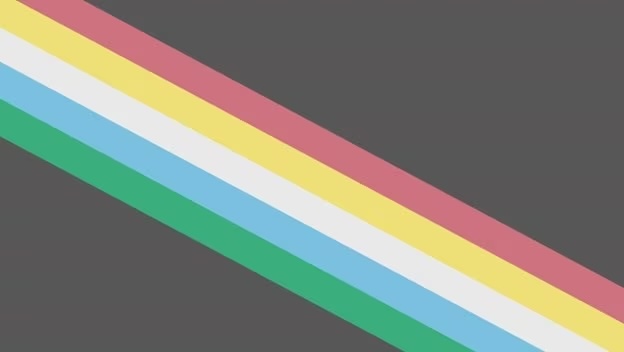
However, that’s not a reason to give up before we’ve even begun. If abled individuals find it difficult and exhausting to figure out the right way to make accommodations, imagine how the individuals waiting for those accommodation feel! Particularly those with invisible disabilities, who may feel particularly cast-aside and unable to ask for help, as they “don’t look disabled.” The disability pride flag, designed by Ann Magill, is intended to reflect how wide the range of disability is, with the different stripes standing for different types: physical (red), cognitive and intellectual (yellow), invisible and undiagnosed (white), psychosocial (blue), and sensory (green).
This is why Disability Pride events are so important–they make disability visible to the government, to the able-bodied, and to those with disabilities (or family members with such) who don’t feel they have anyone to connect to who understands what they’re going through. If you can, I encourage you this month to visit an event and make yourself visible–either as a supporter or the community or as a disable individual who deserves every chance in life the same as anyone else.
 Words Per Mile